
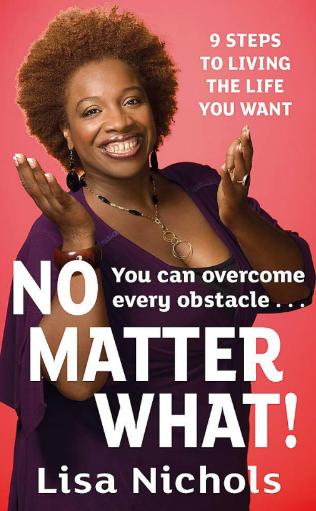
Book of the Month – No Matter What! By Lisa Nichols (reviewed by Grace)
Life is a series of challenges and triumphs, and embracing chiropractic care is an integral...

Dr Oli Recommendation – New Habits
Blue Discs Spotted at the Clifton Clinic? You may have noticed some blue discs popping...Read this post

Walk of the Month – Estuary Walk by Kelly
Experience the beauty of the Severn Estuary on this scenic walk through Clevedon. With stunning...Read this post

Immune-Supporting Foods: 3 Easy Recipes to Support Your Health in Autumn Dr Freya (Doctor of Chiropractic)
Maintaining a strong immune system is crucial, especially as we head into autumn when seasonal...Read this post
Hello Willow Family! Many individuals incorporate high heels into their daily attire for various occasions. To many, they undoubtedly add a touch of elegance and sophistication to one’s ensemble, however, it’s essential to consider the impact they have on our bodies.
The immediate effects of wearing high heels are apparent: your weight shifts forward onto the balls of your feet, and your ankles adopt a more pointed, extended position. At first glance, these alterations might not seem concerning. However, the long-term consequences on your posture can significantly affect your spinal health.
The heightened curve in the lower back when wearing high heels places increased strain on the vertebral discs and joints. Over time, this altered posture can lead to chronic issues and premature degenerative changes in the spine. Additionally, the muscles surrounding the spine, neck, lower back, and legs must work harder, resulting in heightened tension and tightness.
But how high is too high? A study conducted in 2015 examined the impact of varying heel heights (ranging from 1cm to 10cm) on standing balance and functional mobility. The findings revealed that functional mobility began to decline at 7cm, while standing balance was affected at 10cm. Although experienced wearers showed no significant difference in performance, long-term high heel use can lead to calf muscle shortening and increased stiffness in the Achilles tendon, limiting the ankle’s range of motion. Essentially, excessive knee flexion may contribute to knee abnormalities like osteoarthritis.
In an ideal scenario, high heels should be worn sparingly, and when chosen, opt for lower heights whenever possible. Your body will thank you in the long run for prioritising comfort and spinal health over fleeting fashion trends.