
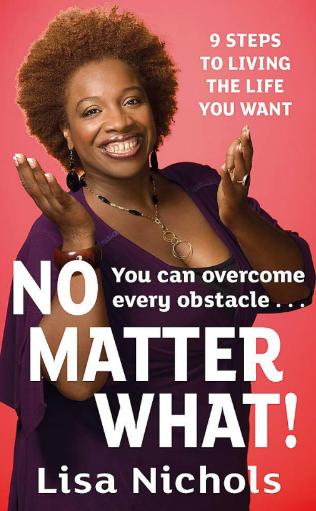
Book of the Month – No Matter What! By Lisa Nichols (reviewed by Grace)
Life is a series of challenges and triumphs, and embracing chiropractic care is an integral...

Dr Oli Recommendation – New Habits
Blue Discs Spotted at the Clifton Clinic? You may have noticed some blue discs popping...Read this post

Walk of the Month – Estuary Walk by Kelly
Experience the beauty of the Severn Estuary on this scenic walk through Clevedon. With stunning...Read this post

Immune-Supporting Foods: 3 Easy Recipes to Support Your Health in Autumn Dr Freya (Doctor of Chiropractic)
Maintaining a strong immune system is crucial, especially as we head into autumn when seasonal...Read this post
Most of us are no stranger to feeling stressed, but we all know at least one person who seems to be less stressed than the rest of us. No matter what life is thrown their way, it doesn’t seem to affect them. But what differentiates them? Daily habits.
Having a set of habits that helps to calm you down and relax you will lower your stress levels. So, what are some of the habits that have been proven to help you manage stress?
Spending time in nature
The environment you’re in can play a huge role in triggering or soothing stress. Studies have shown that after spending time outside, people experience an improvement in their mood and feel less stressed, as well as more calm and balanced. Researchers say the more green in your life, the better you’ll feel. This could be growing your own food, going for a walk, or connecting with animals. Whatever is most natural to you.
Regular exercise
When we exercise, it reduces the levels of the body’s stress hormones, like adrenaline and cortisol, and increases the production of endorphins, which are natural painkillers and mood elevators. Not only this, but it gives us an opportunity to step back from what is causing us stress, whether that’s on your own at the gym or going for a walk with family or friends.
Eating a healthy, balanced diet
Having a balanced diet helps to support your immune system and repair any damaged cells. It also provides you with extra energy to deal with any stressful situations and events that arise in your life. Research suggests that eating foods that are high in omega-3 and vegetables can help to regulate your cortisol levels (the stress hormone).
Monitoring caffeine intake
Caffeine can increase your cortisol levels (the stress hormone) and also gives you a temporary boost of adrenaline. When this starts to wear off, you will experience a dip which makes you crave more caffeine. You then get stuck in this cycle which increases the level of stress hormones in your body. Not only this, but caffeine can inhibit the absorption of adenosine, which calms the body.
Book recommendation
In August, our Book of the Month was “Why Zebras Don’t Get Ulcers”. This book is all about what causes stress and how we can keep it under control. It talks through the biological science behind stress, which can be a potential threat in the long run. It is a step-by-step guide for when this negative state of mind starts to take over. If you’d like to borrow one of our copies, please ask us at reception next time you are in the clinic.
Making small changes to your daily habits will build up overtime, and will leave you feeling much less stressed.